Home / Leeds
Accountants for veterinary practices in Leeds
Accounts, tax, payroll and pricing work for Leeds and Yorkshire veterinary practices — city small animal work, and the farm side that changes the paperwork.
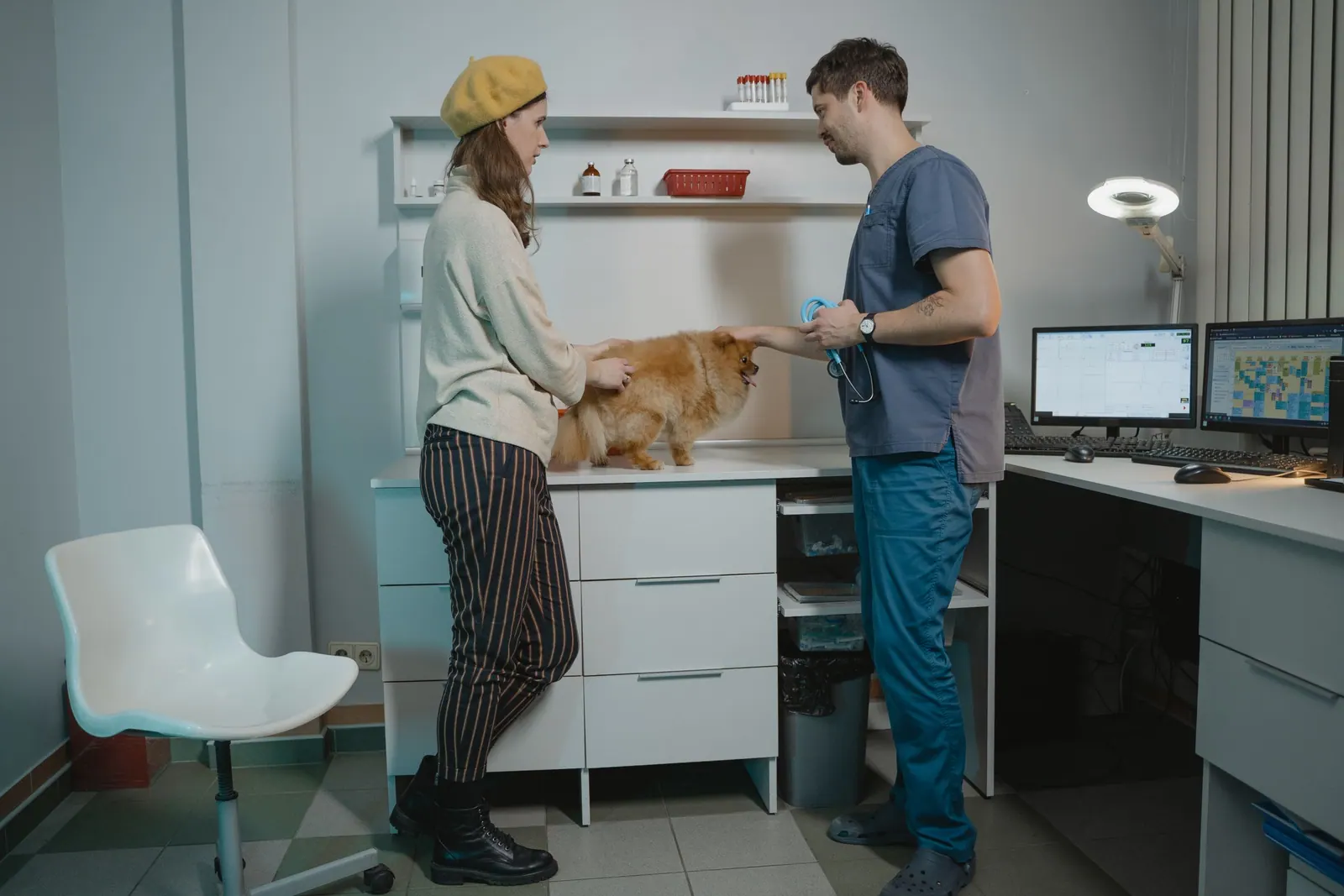
Accounts, tax, payroll and pricing work for Leeds and Yorkshire veterinary practices — city small animal work, and the farm side that changes the paperwork.
Start here. Leeds is in England. The RCVS regulates veterinary surgeons and veterinary nurses across the whole UK and does not regulate practices at all, and the CMA's draft Order extends to England and Wales, Scotland and Northern Ireland under Article 1(3) — so nothing about your regulation changes at a border. The one thing that is England-only is business rates: five multipliers from 1 April 2026, and a veterinary practice is not a Retail, Hospitality and Leisure property.
Leeds is a city small animal market with a large rural hinterland behind it. Within an hour there is North Yorkshire and the Dales, and practices that look like companion animal practices in the city look like mixed practices twenty miles north.
The useful comparator for an independent here is not the practice down the road but the CMA's own sample: 36 small independent veterinary firms with EBIT margins running from minus 9% to plus 34% and a weighted average of 11% across 2021 to 2023 — 15% in 2021, 12% in 2022 and 9% in 2023. The top sextile ran at 28% and the bottom at 0%, and 24 of the 36 saw margins fall over the three years. The large groups averaged 14%. That is the distribution an independent is actually being measured in, and it is a far more honest benchmark than anything a broker will offer. Our profitability calculator places a practice inside it.
Where a Leeds practice takes farm work, the paperwork changes rather than the medicine. Under the Veterinary Medicines Regulations 2013 the vet treating food-producing animals must either enter the required information in the keeper's records personally or give it to the keeper in writing, and those keeper records run for at least five years. The practice's own records of the receipt and supply of POM-V and POM-VPS products run five years as well, and anyone in the retail or wholesale supply of them audits it at least annually. A practice adding farm work to a companion animal list is adding an audit obligation, not just a species.
Two things are worth stating before anything else, because they are the two an English practice is most often told wrongly. The RCVS regulates veterinary surgeons and veterinary nurses across the whole United Kingdom, and it has no statutory power over the businesses they work in — so nothing about your practice's regulation changes at a national border, and nothing about it is signed off by a regulator at all. And the CMA's draft Order is UK-wide: draft Article 1(3) says in terms that it extends to England and Wales, Scotland and Northern Ireland. Being in England gives you no different set of remedies and no different implementation window.
What England does have to itself is business rates. From 1 April 2026 England runs five multipliers: a standard 48.0p, a small business rate of 43.2p where the rateable value does not exceed £50,999, two lower Retail, Hospitality and Leisure multipliers of 43.0p and 38.2p, and a high-value multiplier of 50.8p where the rateable value reaches £500,000. A veterinary practice is not a Retail, Hospitality and Leisure property, so it pays 48.0p, 43.2p or 50.8p and never the lower two — which means the coverage that framed April 2026 as a business rates cut for high-street premises was not written about you. The 2026 revaluation took effect on 1 April 2026, on values based on rents at the 1 April 2024 valuation date, and a redesigned transitional relief scheme phases increases over three years. None of those figures apply in Wales, Scotland or Northern Ireland.
There is no veterinary school in Leeds, or anywhere else in Yorkshire. The nearest approved ones are the University of Nottingham's at Sutton Bonington and the University of Liverpool's at Leahurst on the Wirral, with the Royal (Dick) School of Veterinary Studies at Edinburgh's Easter Bush campus the nearest to the north — and Edinburgh sits in a different income tax jurisdiction, which matters when a graduate moving to Leeds finds their tax code changing as well as their address. Recruiting into Yorkshire mostly means recruiting people who are relocating, and relocation is a budgeting event: the VetGDP Adviser hour a week for anyone who graduated in 2021 or later, and, if the practice meets the vet's £431 RCVS annual renewal for 2026-27 due on or before 30 April, that has to be handled properly through payroll rather than as a reimbursement nobody records.
Premises registration runs per premises here as everywhere — £38 a year each, exempt from VAT, renewing 1 April, every branch separately — and the triggers include any location that receives a wholesale delivery of medicines. That last one catches a store or a farm dispensary nobody thought of as premises. On rates, England's 2026 revaluation took effect on 1 April 2026 with values based on rents at the 1 April 2024 valuation date, and a practice at or under a rateable value of £50,999 pays the small business multiplier of 43.2p rather than the standard 48.0p. The lower Retail, Hospitality and Leisure multipliers of 43.0p and 38.2p do not reach a veterinary practice.
In a Leeds practice the first thing we do is put a number on the EBIT margin and place it against the CMA's own sample rather than against a feeling. A practice at 9% and a practice at 28% both describe themselves as busy. After that we separate the small animal and farm sides of the profit and loss, because they have different margins, different cash cycles and — once the price list duty lands — different disclosure obligations, and blended together they hide each other. That split is usually the single most useful thing that changes in the first year of a practice's reporting.
Non-vets have been able to own a UK veterinary practice since 1999, and the RCVS has no statutory power to regulate the businesses vets work in — only the individual veterinary surgeons and veterinary nurses on its registers. The Practice Standards Scheme is, in the RCVS's own words, a voluntary accreditation.
The CMA identified exactly this in its final report of 24 March 2026: that the system of regulation applies only to veterinary professionals and not to the businesses in which they work.
If your practice supplies or stores medicines you must register the premises with the RCVS, which holds the Register of Veterinary Practice Premises on behalf of the VMD. The fee is per premises — a main site and two branches is three registrations — at £38 a year in England and Wales, VAT exempt, renewing on 1 April.
Defra's consultation on reforming the Veterinary Surgeons Act 1966 closed on 25 March 2026 and proposes licensing veterinary businesses. The response has not been published and nothing is in force.
No, and it is worth saying why rather than simply asserting it. Everything runs remotely — video and phone around consulting hours rather than ours, records and approvals handled securely online. What you gain by widening the search past your postcode is a practice that already knows what premises registration is charged on, which IR35 regime a locum falls into and what the CMA's draft Order does and does not require, without being taught any of it. What you would gain from proximity is a shorter drive to a meeting that happens over video anyway. Tell us where your practice stands and we will tell you honestly whether we can add anything — and the eight free calculators ask for nothing at all if you would rather look first.
Yes — and so do they everywhere else in the UK, which is the part worth knowing. Draft Article 1(3) of the Veterinary Services Market Investigation Order 2026 states that the Order extends to England and Wales, Scotland and Northern Ireland, so being in England gives you neither a different set of remedies nor a different timetable. The question that actually matters is when. The Order has not been made: the CMA published its final report on 24 March 2026 and then has six months to put the Order in place, so its own deadline for making it is 23 September 2026 — a drafting deadline, not a date anyone has to comply by. The obligations follow three to twelve months after the Order is made, and a Small Veterinary Business, meaning one with fewer than 15 first opinion practices and out-of-hours centres, gets three months longer on most of them but not on all.
The standard 48.0p, or the small business multiplier of 43.2p where the rateable value does not exceed £50,999, or 50.8p where the rateable value reaches £500,000. What it does not pay is either of the two Retail, Hospitality and Leisure multipliers introduced at 43.0p and 38.2p from 1 April 2026, because a veterinary practice is not an RHL property. That distinction is the reason the April 2026 changes read as a cut in general coverage and as a rise in a lot of practice accounts. The 2026 revaluation took effect on 1 April 2026 using rents at the 1 April 2024 valuation date, with transitional relief phasing increases over three years. All five multipliers are England only.
The retention periods are the same but the reach is wider. Under the Veterinary Medicines Regulations 2013 documents relating to the receipt or supply of POM-V and POM-VPS products are kept for five years, recording the date, the product, the batch number, the quantity, the supplier or recipient and the prescriber, with a copy of any written prescription. Where a product is prescribed without a written prescription the reason is recorded and kept five years. For food-producing animals there is an extra step: the vet must either enter the required information in the keeper's records personally or give it to the keeper in writing, and those keeper records run at least five years. An annual audit of POM-V and POM-VPS supply is required of anyone in the retail or wholesale supply chain.
There is a verified answer to that, and it is more useful than most benchmarks because it comes with its own spread. The CMA's final report examined a sample of 36 small independent veterinary firms and found EBIT margins ranging from minus 9% to plus 34%, with a weighted average of 11% across 2021 to 2023 — 15% in 2021, 12% in 2022 and 9% in 2023. The top sextile ran at 28% and the bottom at 0%, and 24 of the 36 saw margins fall across the three years. The large groups averaged 14%. Excluding the two firms with large animal services made no difference to the weighted averages. So 11% is the middle of a wide distribution rather than a target to aim at.
No. We work remotely with veterinary businesses across England and the whole United Kingdom, by video, phone and email, with records and approvals handled securely online. That is a deliberate choice rather than a limitation: it means the people looking at your figures work only with veterinary businesses, so nobody has to be told what a POM-V is, why premises registration is charged per branch rather than per practice, or what a cap on written prescription fees does to a dispensary. The thing a nearby generalist is most likely to get wrong about a Leeds practice is that a veterinary practice gets the lower Retail, Hospitality and Leisure business rates multiplier. It does not. A practice two hundred miles away that already knows that starts from a different place than the nearest general accountant, who will spend the first meeting being taught how a veterinary business works.
A free, no-obligation conversation about where your practice's numbers and your pricing actually stand. If we cannot add anything, we will say so.
One short email: what has moved on the CMA remedies, the dates coming up, and one number worth checking in your practice. No spam, unsubscribe any time.