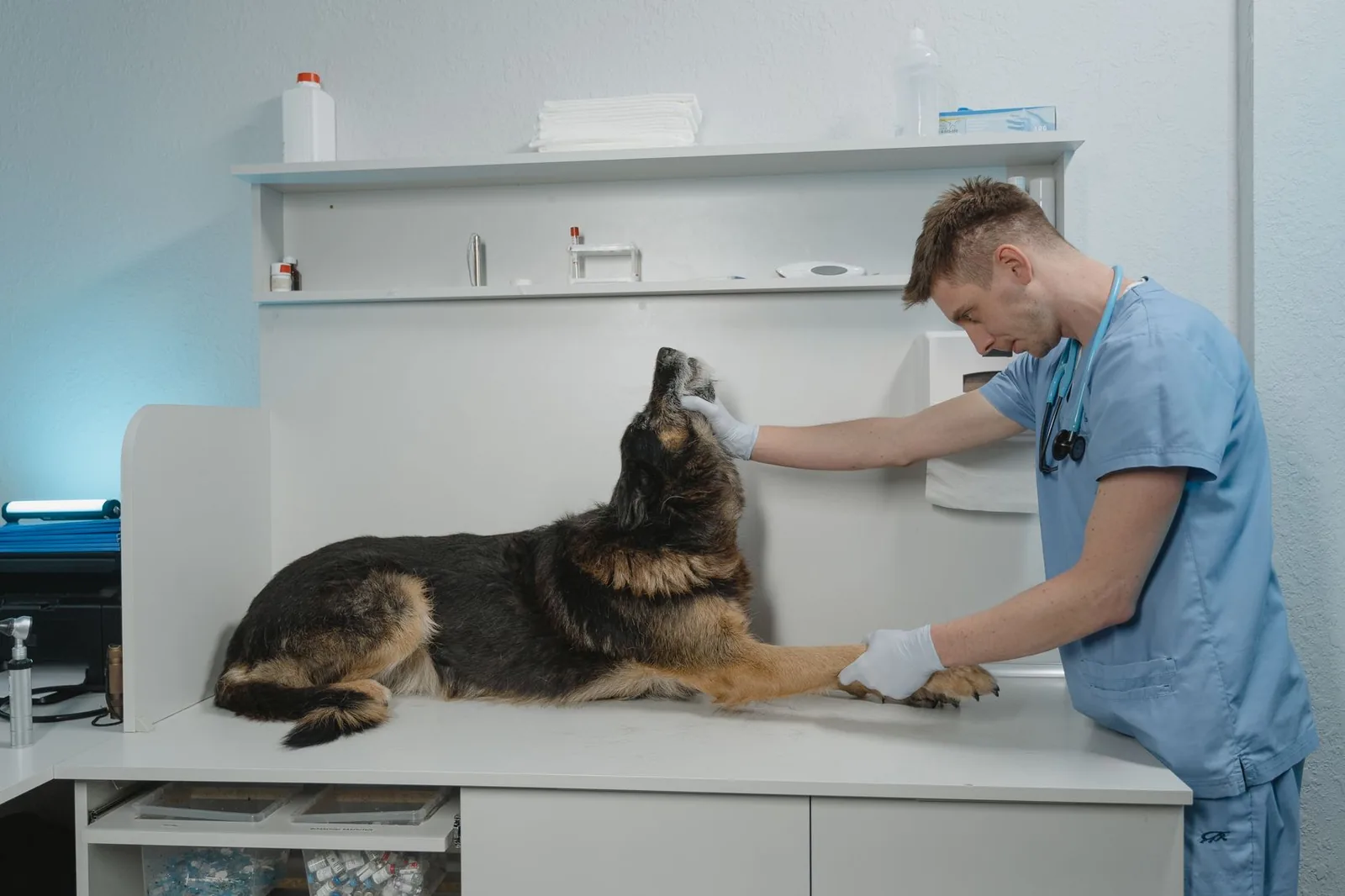
Vets, registered nurses, animal care assistants, reception and support staff — on a rota, with weekend and out-of-hours cover, and a statutory wage floor that moved again on 1 April 2026. Plus an employment law calendar running from 2026 into 2027 that most practices have not read.

Staff cost is the biggest single line in almost every veterinary practice, and it is the one least likely to be modelled before it changes. A practice runs qualified veterinary surgeons, registered veterinary nurses, student nurses, animal care assistants, reception and administrative staff, and usually some combination of weekend rota, on-call and out-of-hours cover — each with its own hourly rate, enhancement and pension position.
On 1 April 2026 the statutory floor moved again. Employer National Insurance sits at 15% on almost the whole of every salary. And the Employment Rights Act 2025 has a live implementation calendar that runs from December 2025 well into 2027, with several dates in the next few months that change what a practice has to be able to demonstrate. This page sets out the rates, then the dates.
The 2026/27 numbers
| Item | 2026/27 |
|---|---|
| Employer (secondary) Class 1 rate | 15% |
| Secondary Threshold | £5,000 a year |
| Class 1A on benefits, Class 1B on PSAs | 15% |
| Employee Primary Threshold | £12,570 |
| Employee rate | 8% to the Upper Earnings Limit, 2% above |
| Lower Earnings Limit | £6,708 |
| Upper Earnings Limit | £50,270 |
| Employment Allowance | £10,500 |
| National Living Wage, 21 and over, from 1 April 2026 | £12.71 |
| 18 to 20 rate | £10.85 |
| Under 18 and apprentice rate | £8.00 |
| Auto-enrolment earnings trigger | £10,000 |
| Qualifying earnings, lower level | £6,240 |
| Student loan Plan 2 threshold | £29,385 |
| Student loan Plan 5 threshold | £25,000 |
Illustrative only. A part-time registered veterinary nurse on £22,000 generates employer National Insurance of (£22,000 − £5,000) × 15% = £2,550. A full-time vet on £48,000 generates (£48,000 − £5,000) × 15% = £6,450. On a clinical team of ten averaging £32,000, the employer National Insurance bill is (£32,000 − £5,000) × 15% × 10 = £40,500 before a penny of pension contribution. The Employment Allowance takes £10,500 off that, leaving £30,000 — which is why the allowance is worth confirming rather than assuming, and why a group of practices under common control needs to know it is claimed once across connected employers, not once each.
The single-director exclusion. If a company has only one director, that director must not be the only employee liable for secondary Class 1 National Insurance for the Employment Allowance to be available. A one-person locum company is therefore normally excluded, and so are workers caught by the off-payroll working rules. A practice with nursing and reception staff on its payroll is not affected — but a separate service or property company that pays only a director is.
The National Living Wage rise to £12.71 is not only a cost on the staff who are on it. Once the floor moves, the gap between an animal care assistant at the statutory minimum and a qualified registered veterinary nurse compresses, and pay reviews follow up the structure. Add 15% employer National Insurance and pension contributions on top and an hourly increase costs meaningfully more than the increase itself. Illustrative: a 60p an hour rise for someone working 30 hours a week is £936 a year of gross pay, plus £140 of employer National Insurance at 15%, plus employer pension on the qualifying band — so around £1,100 before any differential adjustment further up the team.
The wage floor moved, employer National Insurance starts at £5,000, and the employment law calendar runs into 2027.Veterinary practice payroll and employment
Employment Rights Act 2025
The Act received Royal Assent in December 2025 and is being implemented in tranches. These dates come from the government's own implementation timeline, which was last updated on 16 July 2026 — and they differ from a good deal of earlier commentary, so it is worth reading them from the primary source rather than from memory.
The Statutory Sick Pay change is the one with an immediate operational consequence for a practice. Removing the Lower Earnings Limit and the waiting period means SSP is now payable to lower-paid part-time staff from the first day of sickness. On a rota-based clinical team with weekend cover, that changes both the cost and the absence policy.
Be precise about unfair dismissal. A great deal of commentary said day-one unfair dismissal rights from 2026. The government's implementation timeline gives January 2027 and a six-month qualifying period. That is a materially different proposition, and a practice that has been told to expect day one from 2026 has been given the wrong date — which matters if it has changed how it recruits or how it handles probation.
The 30 October 2026 duty deserves a paragraph of its own because a veterinary practice is unusually exposed to it. The employer becomes liable for third-party harassment of employees, and the third party in a practice is usually a client — often a client having the worst day of their year. Reception and nursing staff absorb that. Meeting the duty means a written policy, a reporting route staff will actually use, recorded training, and a documented position on refusing service. Reasonable steps have to be demonstrable, not intended.

Weekly, fortnightly or monthly, with rota-based hours, weekend and out-of-hours enhancements, overtime and student loan deductions handled as part of the run rather than as an exception.

Assessment every pay period against the £10,000 trigger, contributions on the qualifying band, postponement notices done properly, and re-enrolment diarised.

Checked rather than assumed — including the single-director exclusion and the fact that connected employers claim it once between them.

Total employment cost as a percentage of fee income, reported every period, so a wage settlement or an extra nurse shows up as a trend before it shows up at your year end.
Check your ratio
Cars, accommodation, professional subscriptions and CPD paid on behalf of clinicians, with Class 1A at 15% and the reporting done on time.

The Employment Rights Act tranches, the April uprating, and every payroll and pension deadline on one calendar with your tax dates.
The payroll guideWhere this connects
Staff cost drives your EBIT margin more than any other line, which is why it belongs in the same conversation as accounts and management figures rather than in a separate bureau. If you are weighing up whether your margin has room for a pay settlement, the profitability calculator puts your staff cost ratio and EBIT margin side by side. And what a registered veterinary nurse can claim personally against their own income tax is covered on nurses and practice teams.
One note on scope: employment law is law, and we are accountants. We will tell you what a date does to your payroll and your cost base, and where a decision needs an employment lawyer we will say so rather than have a view.
Employer secondary Class 1 National Insurance is charged at 15% on earnings above a secondary threshold of £5,000 a year. Class 1A on benefits in kind and Class 1B on PAYE Settlement Agreements are also 15%. The Employment Allowance is £10,500, and the £100,000 liability cap that used to restrict it was removed from April 2025, so employers of any size can now claim. The low secondary threshold is what makes the cost noticeable in a clinical business: a practice pays employer National Insurance on almost the whole of every salary, including part-time nursing and reception hours that used to fall largely below the old threshold.
Usually not. The rule is that if your company has only one director, that director must not be the only employee liable for secondary Class 1 National Insurance. A single-director company with no other paid staff is therefore excluded, which catches a locum personal service company almost every time. Workers inside the off-payroll working rules are also excluded. A practice with nurses, receptionists and support staff on the payroll will normally qualify, but the allowance is claimed once across connected employers, so a group of practices under common control cannot claim it several times over.
£12.71 an hour for workers aged 21 and over, £10.85 for 18 to 20 year olds, and £8.00 for those under 18 and for apprentices. In a veterinary practice those rates bite hardest on animal care assistants, kennel and ward staff, trainee nurses and weekend reception cover, and the knock-on effect is usually larger than the rise itself: once the statutory floor moves, the differential to a qualified registered veterinary nurse compresses, and pay reviews further up the structure follow. The employer National Insurance at 15% and pension contributions on top mean the true cost of an hourly increase is materially more than the increase.
January 2027, with a six-month qualifying period — not day one, and not during 2026. This matters because a lot of earlier commentary said day-one unfair dismissal rights from 2026, and the government's own implementation timeline now gives January 2027 and a six-month qualifying period, alongside uncapped compensatory awards and fire-and-rehire protections. Two things do land sooner and are easy to miss: the Employment Tribunal claim time limit extends from three months to six on 1 October 2026, and the duty to take all reasonable steps to prevent sexual harassment, together with liability for third-party harassment, arrives on 30 October 2026.
Because a practice is a client-facing business whose clients are frequently distressed. From 30 October 2026 employers become liable for third-party harassment of employees, alongside a duty to take all reasonable steps to prevent sexual harassment. In a veterinary setting the third party is usually a client at the reception desk or on the telephone, often at the worst moment of their week. What that means practically is a written policy, a reporting route a nurse or receptionist will actually use, recorded training, and a documented willingness to refuse service. The reasonable steps have to be demonstrable rather than intended.
The earnings trigger for automatic enrolment is £10,000 a year and the lower level of qualifying earnings is £6,240, with the upper level at £50,270. Contributions are calculated on the band between the lower and upper levels rather than on the whole salary. In a practice with part-time nursing and reception staff the trigger is the number to watch, because a rota change or a run of extra weekend shifts can take someone over £10,000 and create an enrolment duty mid-year. Postponement is available but has to be notified properly, and getting the notice wrong is one of the more common findings in a payroll review.
A free review of your payroll: employer National Insurance, the Employment Allowance position, auto-enrolment, and staff cost as a percentage of fee income — plus which Employment Rights Act dates land inside your next twelve months.
One short email: what has moved on the CMA remedies, the dates coming up, and one number worth checking in your practice. No spam, unsubscribe any time.